Lead with AI
The non-technical half of AI leadership: the goal, the guardrails, the definition of done and the budget. How founders delegate real work to models and keep judgment where it belongs.

You can have twelve AI features and still not have a company that runs on one set of data. Dave Hajdu names the real cost of Level 3 (one database, designed workflows, attention), the five sources to connect in a fixed order over 30 days, and the three prices to get there.
Read Article →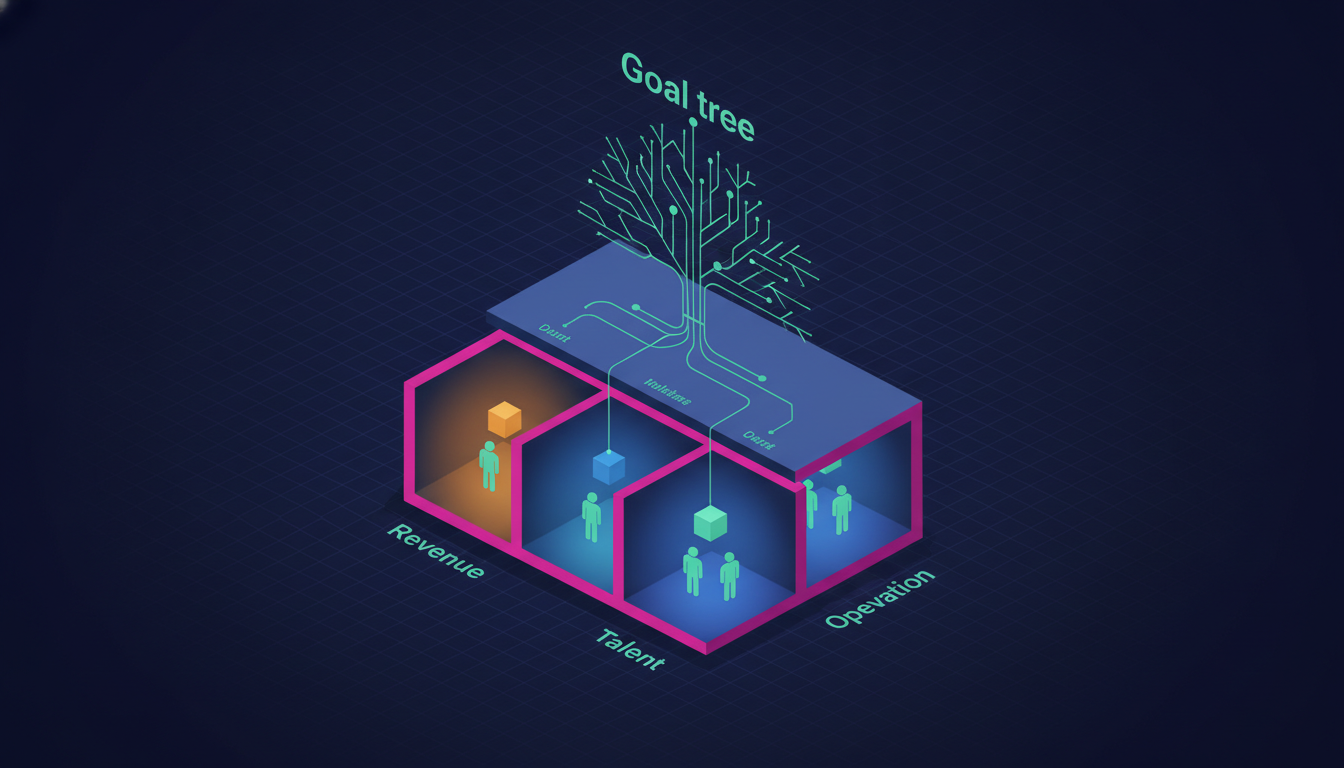
After six days of naming the gaps, the question is where a real company starts. Not with a re-org: with the four outcomes every business already wants, organized as four offices under one goal tree, and a build that begins with one database.
Read Article →
Three people on your team asked the AI to act as an expert and got three interchangeable drafts. Day 5 of 8 Edges shows why the fix is a named framework, not a better prompt, and what it looks like when the framework is installed so nobody types it again.
Read Article →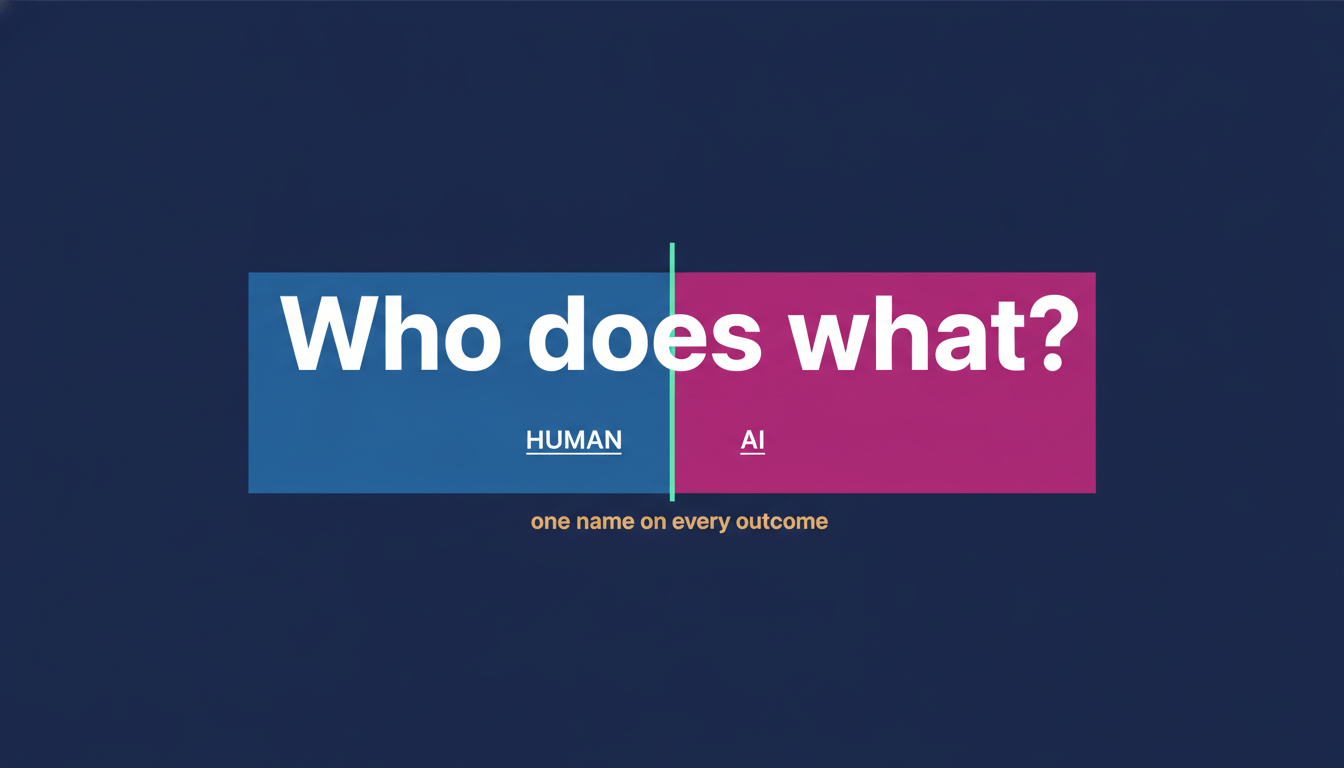
Ask your leadership team what exactly AI should do and what your people should do, and the room goes quiet. Here is how to decide the split on purpose, cast AI like any other performer, and keep exactly one human name on every outcome.
Read Article →
A customer gets a correct, personal answer at 11:47 on a Tuesday night with nobody on your team awake. That was not possible before, and one manager who has learned the skill can build it.
Read Article →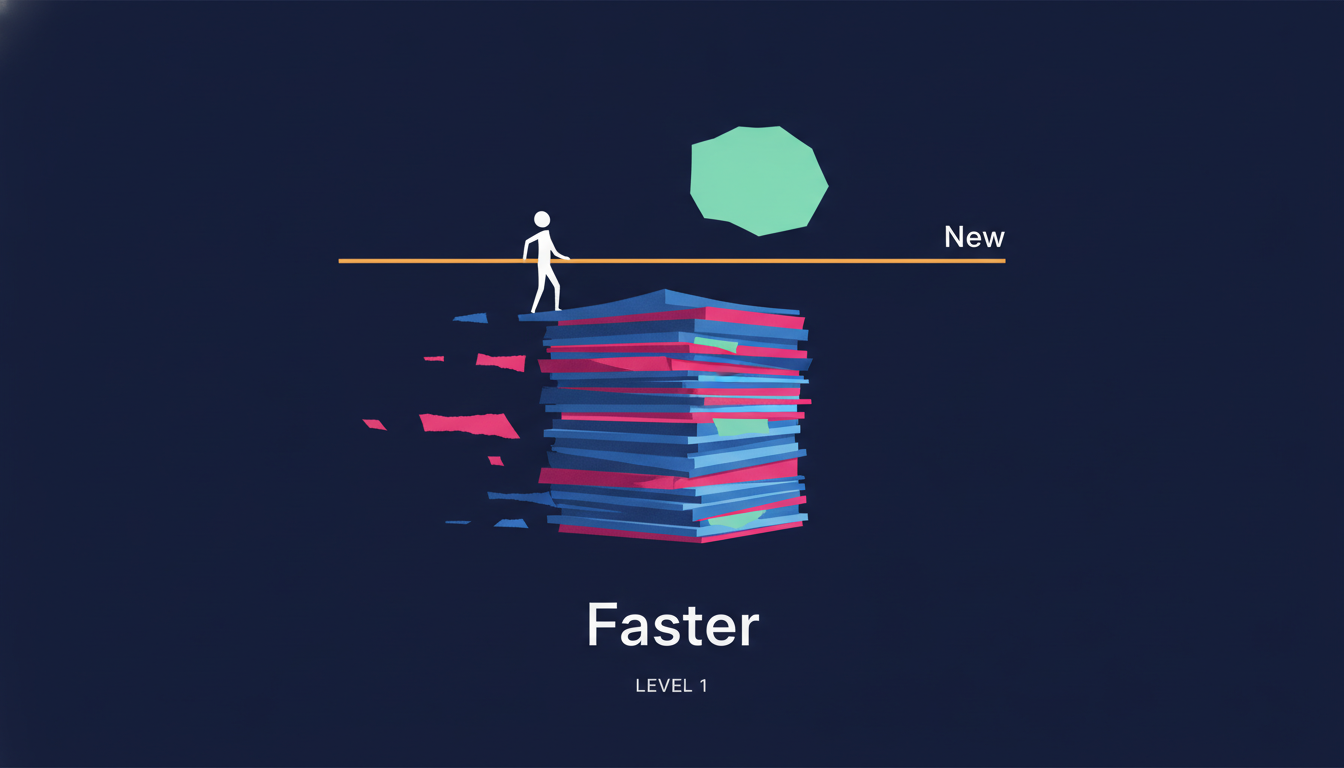
Most companies are standing at Level 1: the same emails, decks and summaries, only faster, with twenty people each prompting on their own. Here is the ceiling on ad hoc AI use, and the brief, seven elements and three gates that turn it into a foundation for what comes next.
Read Article →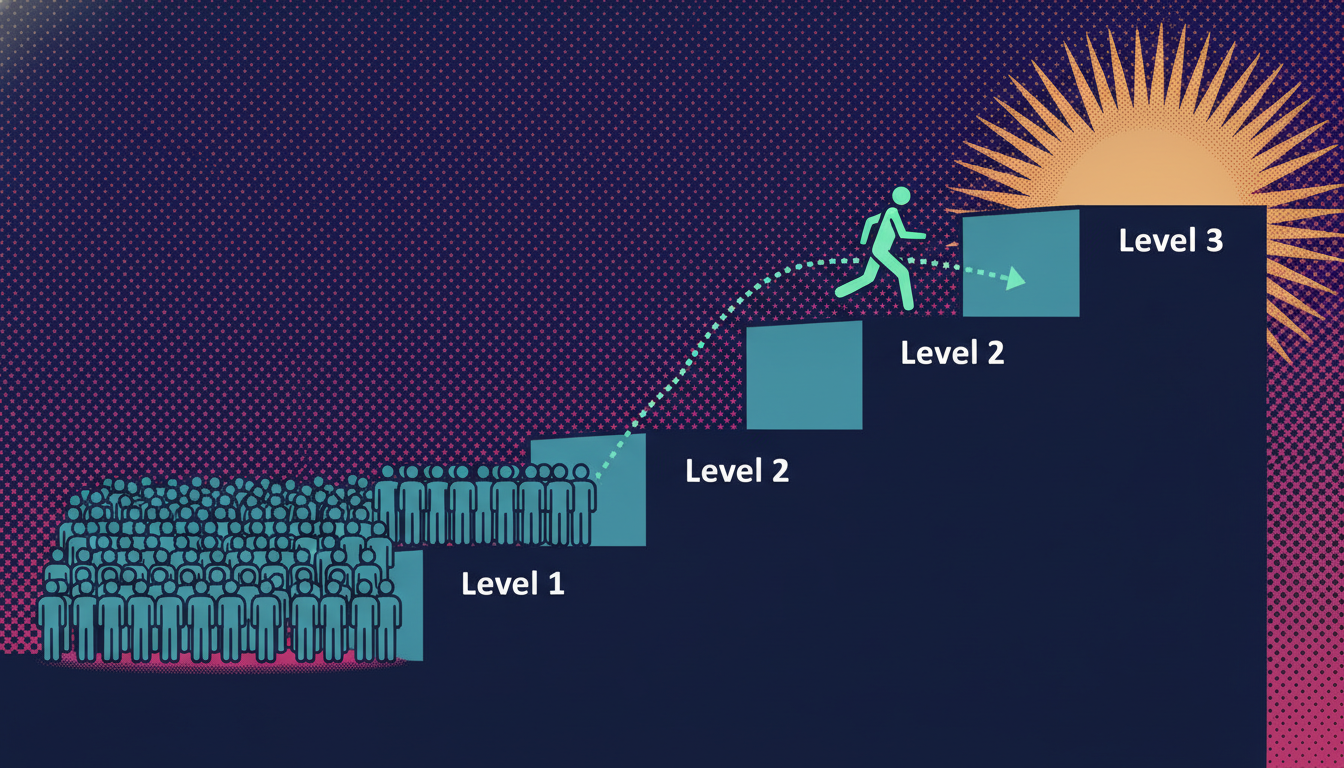
Level 1 makes the same emails and decks faster. Level 2 answers your customer at midnight and briefs your manager before every one-on-one. Level 3 runs the company on one database while people decide. Two questions tell you which rung you are on.
Read Article →
Six months after the strategy deck, every team is busy and none of it traces back to the three priorities. A four-layer goal tree, one connection rule, and an AI that reads it every morning fix the translation problem Rumelt described.
Read Article →
Every founder reaches for an AI pilot or a re-org first, and both fail for the same reason: the data stays scattered and the work stays undesigned. Stanford found 77% of the effort in 51 successful AI programs went into fixing exactly that, so here is the order that closes both gaps at once.
Read Article →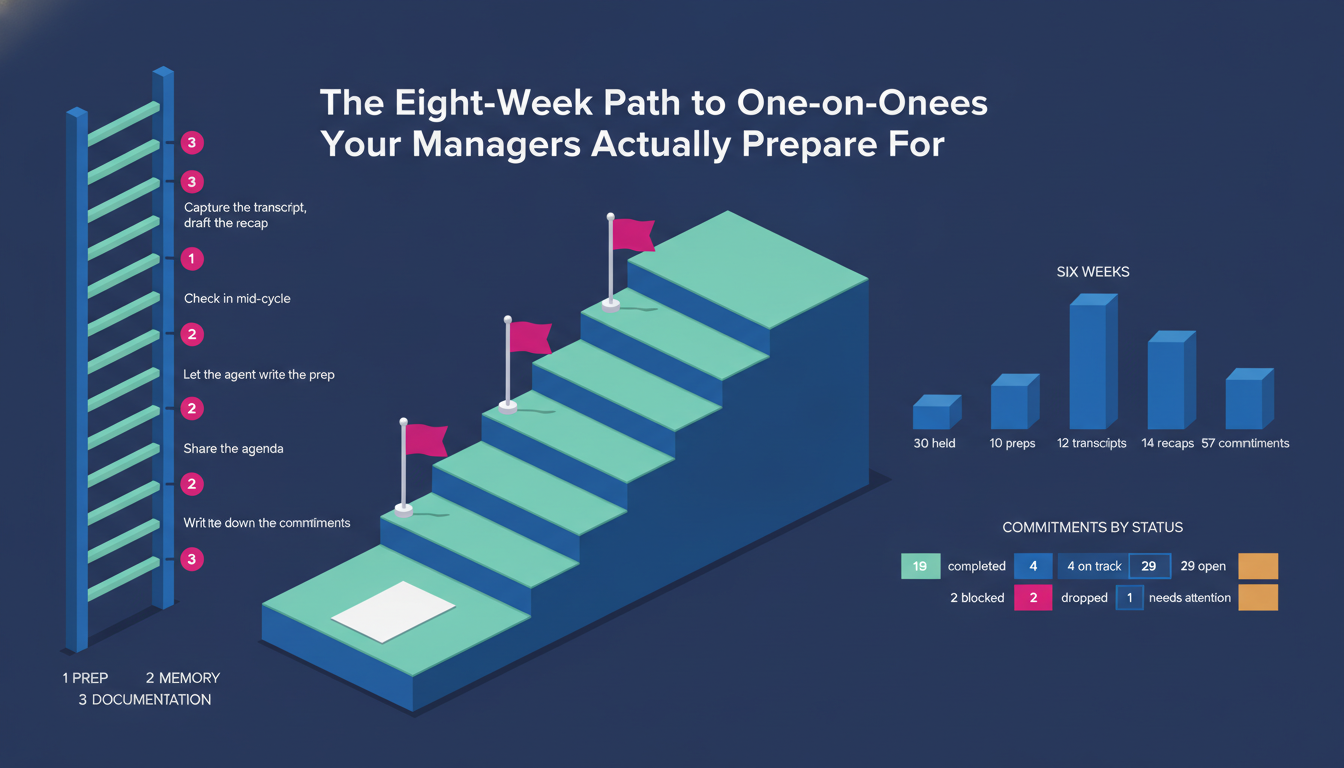
Across more than 1,000 businesses, one-on-one coaching failed for the same three reasons: no prep, no accountability, no usable record. Here is the eight-week path that removes all three, with our own six-week scoreboard showing 30 meetings, 10 preps and 29 open commitments.
Read Article →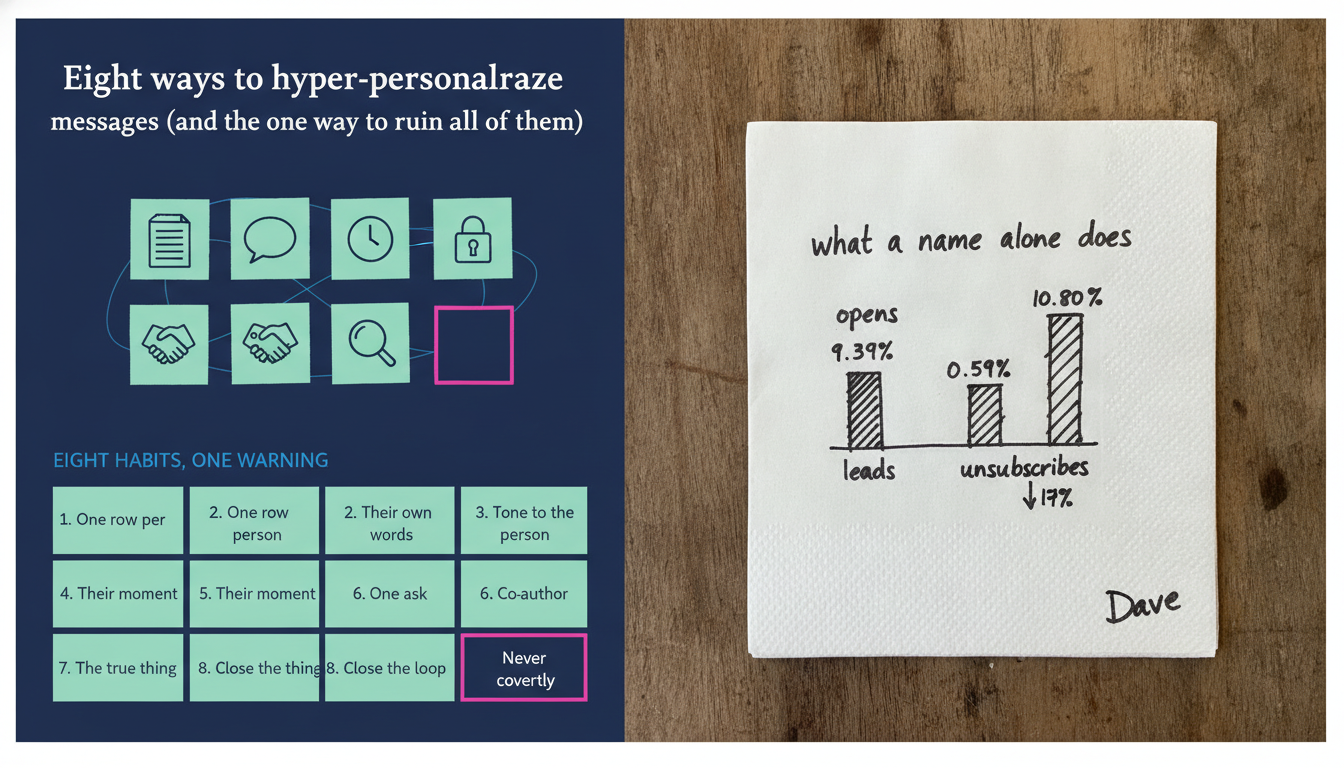
A name in the subject line lifts opens 20%, and that is the floor, not the ceiling. Eight research-backed habits you can run this week on rows you already own, plus the one mistake that flips every one of them from lift to drop.
Read Article →
Two minutes before a 1-1, most founders know a feeling and a stale notes doc. Here is what Edge8's coach walks in with instead, every other week, and why the record behind it is the whole strategy.
Read Article →
Stanford's Enterprise AI Playbook found that 77% of the hardest enterprise AI challenges were change management, data quality and process redesign, and only 6% were the vendor or platform. Dave Hajdu on why the tool is the 23%, and who inside your company has to own the rest.
Read Article →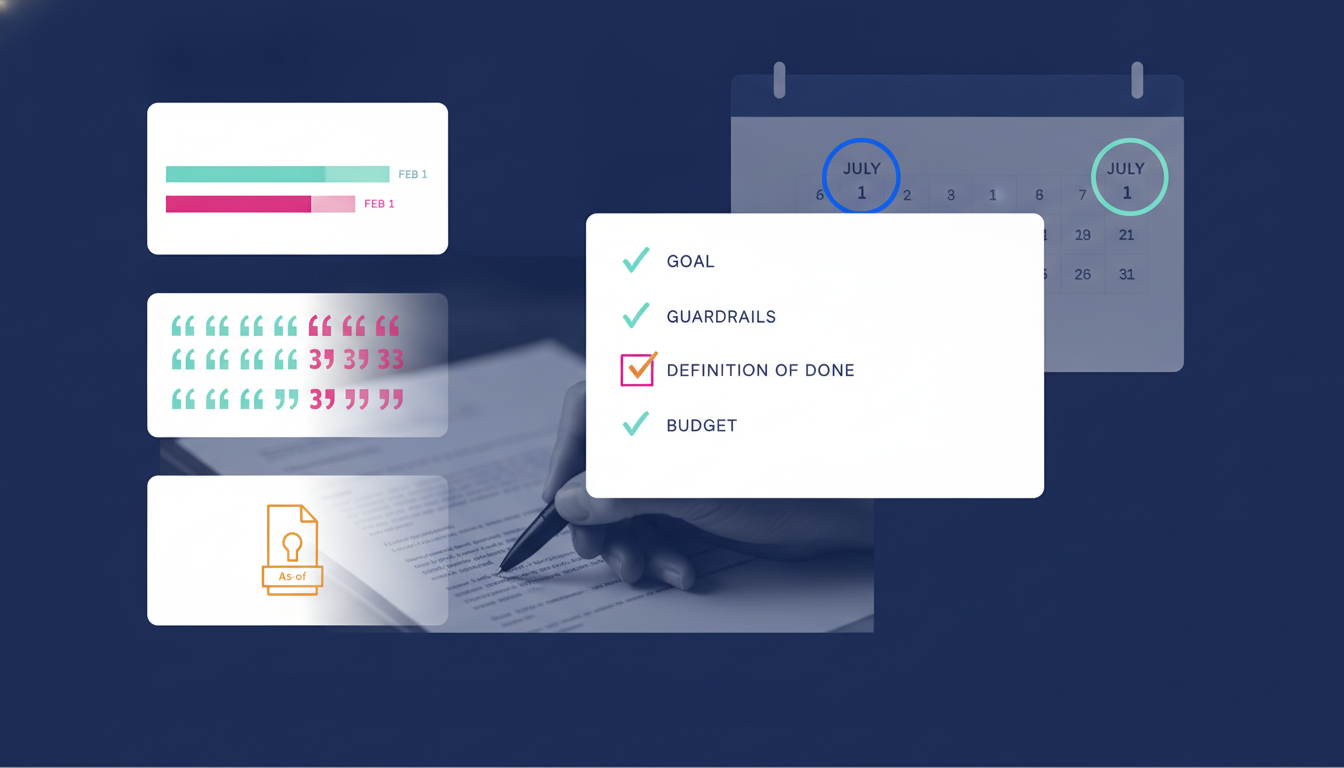
Founders write the goal, the guardrails and the budget, then leave the finish line to the model, and the model stops at the most plausible point. Here is what a five-line definition of done looks like for a client plan, a research brief and a report, and three five-minute tests to run before the brief goes out.
Read Article →
A model built an Australian agency's 90-day planning system on the wrong calendar, because nobody had ever written the right one down. Fable 5.1 runs for hours on whatever you give it. Here are the four things it needs from you, and the one-page exercise that shows where your business is unfinished.
Read Article →
AI-era leadership now needs a second skill set: workflow design, information architecture, and writing instructions for AI. Here is how to build it.
Read Article →
Most companies today operate in deeply entrenched silos, and AI makes this problem worse before it makes it better. The solution: a Chief AI Officer who doesn't just oversee technology, but architects the entire AI transformation strategy.
Read Article →
Culture doesn't change because you buy an AI tool, it changes when leaders model the behavior. Five AI strategies that build high-performing cultures from the inside out.
Read Article →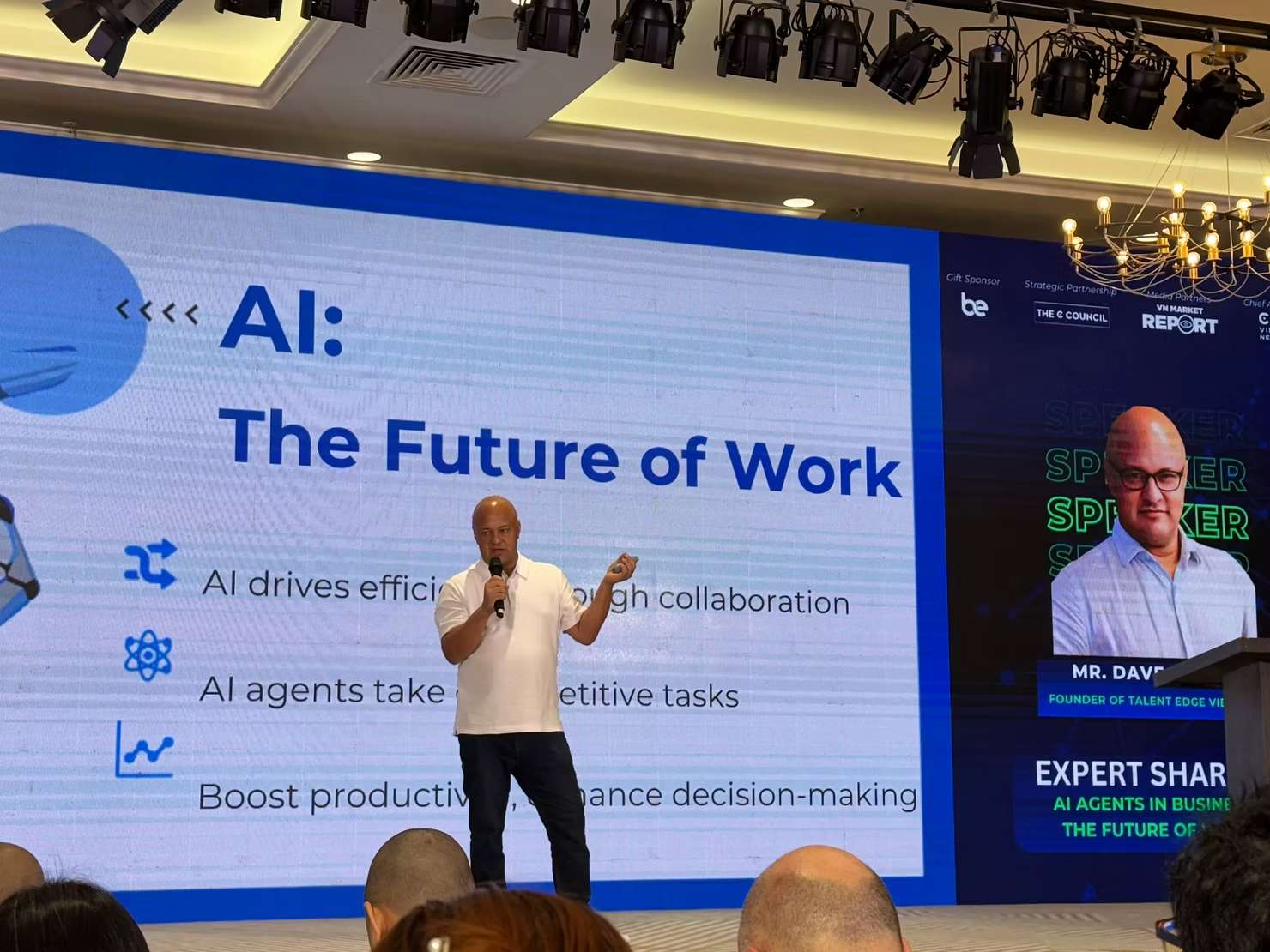
The fastest path to AI adoption isn't technology, it's leadership. How symbolic action from the top creates the cultural shift that makes AI work.
Read Article →
AI-induced psychosis affects up to 3% of heavy AI users, causing delusions and reality distortion, and it's costing businesses an average of $47,000 per affected employee.
Read Article →
AI psychosis occurs when individuals develop psychological dependency on AI systems, losing critical thinking abilities, affecting approximately 23% of heavy AI users in business environments.
Read Article →
One assignment that could change how you see your entire business, and your career trajectory. How structured AI-powered research unlocks real competitive intelligence.
Read Article →
Process automation that actually works doesn't replace culture, it amplifies it. Here's how to build AI-powered processes your team will actually use.
Read Article →
The most technically skilled founders aren't the most successful with AI. Dave Hajdu's Hong Kong presentation revealed a fundamental divide that explains why most AI initiatives fail.
Read Article →
High performers don't just produce more, they set the cultural standard. Here's how to identify, retain, and multiply your top performers using AI-powered systems.
Read Article →
Every leader needs a digital decision partner. Here's the case for treating AI not as a tool, but as a co-strategist integrated into your leadership team.
Read Article →
High performance isn't built through massive leaps, it's built one decision at a time. Learn the framework that turns daily choices into long-term excellence.
Read Article →
AI literacy is the new competitive advantage. Leaders who invest in AI training today will be the ones setting strategy, and capturing the value, tomorrow.
Read Article →
Building a high-performing remote team in Vietnam doesn't have to be complicated. Here's the AI-driven approach that makes offshore integration seamless.
Read Article →
The future of business success isn't human vs. AI, it's human and AI working together. Here's what that collaboration looks like in practice.
Read Article →
Discover how AI-powered systems help you identify, develop, and retain the top performers who drive your culture and your business forward.
Read Article →
In the rush to implement AI solutions, organizations often bypass the critical foundation: leadership. This oversight isn't just problematic, it's the primary reason many AI initiatives fail to deliver on their promises.
Read Article →
AI agents are revolutionizing how businesses operate, automate processes, and make decisions. Yet as these capabilities expand, a crucial question emerges: what role should human insight play in an increasingly automated business environment?
Read Article →