
Why Chat GPT 5 Matters in the Age of Incremental AI Progress
- Aug 13, 2025
- 5 min read
Updated: Aug 22, 2025
A curious thing happened when Chat GPT-5 was released. For the first time, OpenAI's newest model wasn't universally hailed as the undisputed champion of AI capabilities. The All-In podcast even went so far as to label it a "flop." But was it really? And what does this tell us about where we are in the AI evolution cycle?
The New Normal of AI Releases - ChatGPT-5
The metrics tell a compelling story that challenges our assumptions about AI progress. On benchmarks like Humanity's Last Exam, a collection of 2,500 extremely difficult questions that even humans struggle with, ChatGPT-5 wasn't the clear winner. Grok 4 edged it out slightly and performed significantly better on the ARC AGI Index, which measures AI performance on simple tasks that humans find intuitive but machines traditionally struggle with.
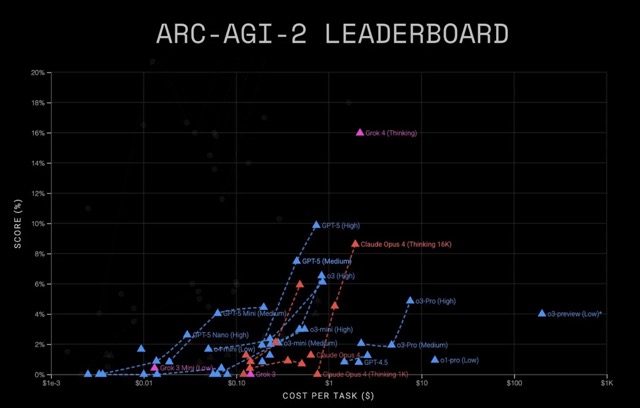
This represents a fascinating shift in the industry. We've entered an era where progress in foundational AI capabilities may be becoming more incremental rather than revolutionary with each release. ChatGPT-5 is absolutely impressive, but our expectations have been conditioned by the dramatic leaps we've seen in previous generations.
The implications for business strategy are profound. Leaders can no longer assume that the newest model will automatically deliver the most value for their organization.
User Experience Trumps Benchmark Battles
When User Experience Trumps Technical Supremacy
David Friedberg made an astute observation about these releases: for average users, being the "best" versus "almost the best" on technical benchmarks makes virtually no practical difference. What matters more is the user experience, and here ChatGPT-5 delivered meaningful innovation.
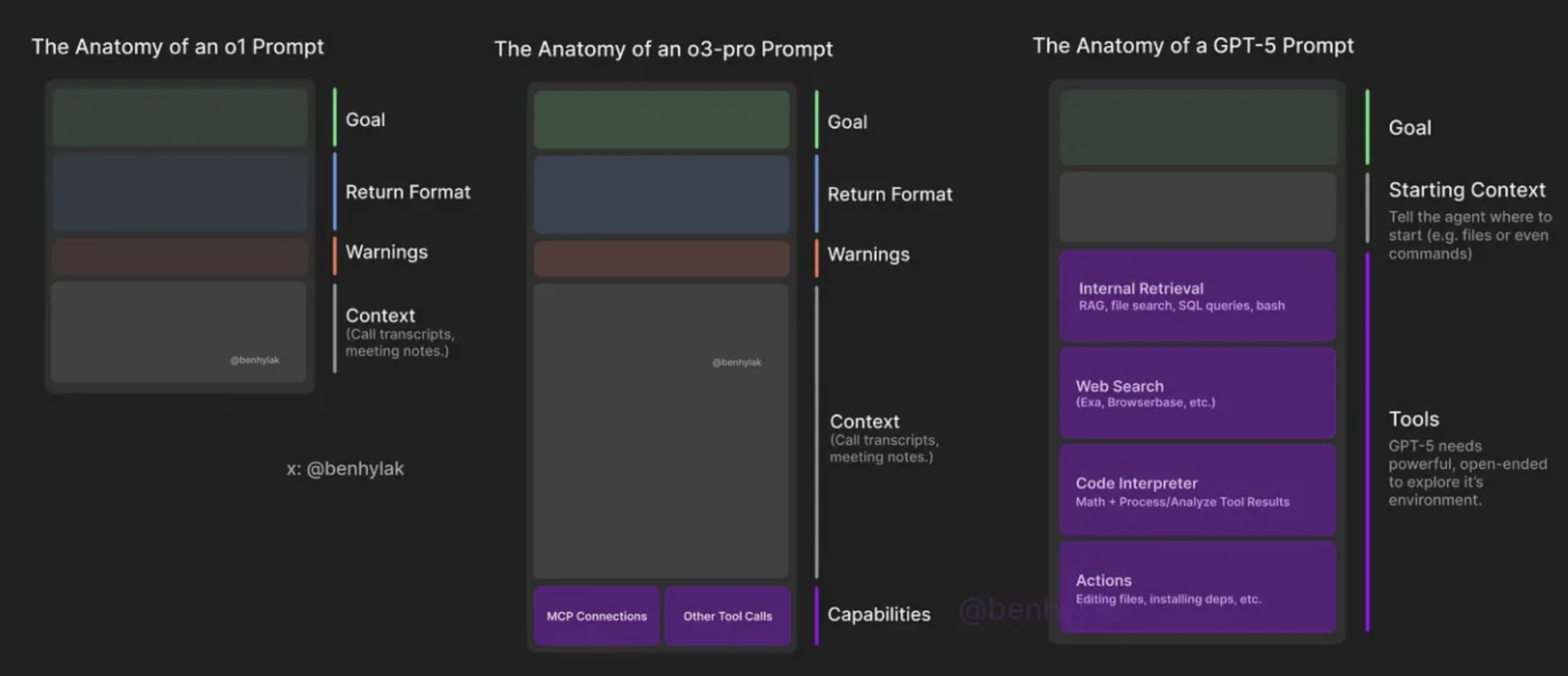
The elimination of model selection is genuinely transformative for mainstream adoption. Users no longer need to understand the difference between reasoning models, hybrid approaches, or multimodal capabilities. Other leading systems are moving in this direction as well, simplifying the interface while maintaining powerful capabilities underneath.
This shift from technical one-upmanship to user-centric design represents a maturing of the AI industry. It's reminiscent of the evolution we saw in smartphone development: after the initial hardware revolutions, the most meaningful improvements came through software and user experience refinements.
This transition became evident during recent AI conferences where speakers had to update their presentations overnight as new releases rendered model selection guidance obsolete. Such rapid evolution characterizes life at the bleeding edge of technology.
The Real-World Impact of Today's AI
When we look beyond benchmarks and interfaces, what truly matters is how these systems perform in real-world scenarios. Here, the picture becomes more nuanced and perhaps more exciting for business applications.
Gemini 2.5 Flash, Grok 4, and ChatGPT-5 are all demonstrating remarkable capabilities in understanding context, generating creative content, analyzing data, and assisting with complex reasoning tasks. They're becoming genuinely useful tools for knowledge workers, creatives, and business leaders across industries.
Across consulting engagements, these systems are transforming workflows in measurable ways. Marketing teams are using them to brainstorm campaigns and refine messaging. Developers are leveraging them to debug code and explore architectural solutions. Executives are employing them as thinking partners for strategic challenges.
The practical gap between these leading models is often less important than finding the right fit for specific organizational needs and workflows. Some companies prefer Gemini 2.5 Flash for its integration with Google's ecosystem, while others value ChatGPT for its developer-friendly API or Grok 4 for its nuanced reasoning.
Strategic Framework for AI Adoption
Organizations navigating this landscape need a new approach to AI evaluation and implementation. Here's what business leaders should prioritize:
Focus on use case alignment over benchmark performance. Resist the urge to chase the "best" model based solely on technical scores. Instead, identify specific use cases where AI can deliver value in your organization, then evaluate which system best addresses those particular needs.
Prioritize user adoption and experience. Tools that your team will actually use consistently deliver more value than theoretically superior systems that create friction. The latest ChatGPT-5 interface improvements reflect this principle and point toward the future of enterprise AI tools.
Prepare for continuous improvement cycles. Build systems and processes that can adapt to ongoing enhancement rather than waiting for the "perfect" AI solution. The era of revolutionary leaps may be giving way to steady, incremental progress.
Keep strategic vision on emerging convergences. While today's improvements may be incremental, the convergence of AI with other technologies, particularly robotics and specialized hardware, could create another inflection point in capability.
Navigating the Maturation of AI Technology
Edge8.ai was founded on the principle of cutting through the noise and hype around artificial intelligence. The reality of these technologies is remarkable enough without exaggeration, and the current moment offers important lessons for business leaders.
The current state of AI development, where ChatGPT-5 can be simultaneously labeled a "flop" while delivering meaningful improvements, is actually a healthy sign of a maturing industry. We're moving past the initial wonder phase into a more nuanced understanding of how these systems can enhance human capability.
To Be Tech-Forward in this environment means recognizing that the most valuable AI implementations aren't necessarily those using the highest-performing models, but those that seamlessly integrate into existing workflows and consistently deliver business value.
The real story isn't whether Gemini 2.5 Flash, Grok 4, or ChatGPT-5 holds the temporary crown in a benchmark competition. It's about how these increasingly capable systems are becoming seamlessly integrated into our workflows, augmenting our abilities, and enabling new forms of creativity and problem-solving.
Smart organizations are already moving beyond the hype cycle to focus on practical implementation, user adoption, and measurable business outcomes. The question isn't which AI model will win, but how your organization will adapt to leverage these powerful tools effectively.
Ready to explore how these AI developments can impact your organization's strategy? Join the AI-Officer.com community for ongoing strategic insights and practical guidance through this rapidly evolving landscape.
Frequently Asked Questions
Is ChatGPT-5 really a disappointment compared to previous releases?
ChatGPT-5 delivers significant improvements in user experience and speed, but it's the first OpenAI release that wasn't automatically best-in-class on all benchmarks. This represents industry maturation rather than disappointment.
Which AI model should businesses choose for their operations?
The choice depends on specific use cases and workflow integration rather than benchmark performance. Evaluate based on your team's needs, existing tech stack, and user experience requirements.
What does the ARC AGI Index measure differently from other benchmarks?
The ARC AGI Index tests AI performance on simple tasks that humans find intuitive but machines traditionally struggle with, while benchmarks like Humanity's Last Exam focus on extremely difficult questions that challenge even human experts.
How should businesses prepare for the era of incremental AI improvements?
Build adaptable systems and processes that can evolve with ongoing improvements rather than waiting for revolutionary breakthroughs. Focus on consistent user adoption and measurable business outcomes.
What's the significance of eliminating model selection in ChatGPT-5?
Removing the need to choose between different models makes AI more accessible to mainstream business users who don't need to understand technical differences between reasoning, hybrid, or multimodal approaches.
When can we expect the next major breakthrough in AI capabilities?
While current progress appears incremental, convergence with robotics and specialized hardware could create new inflection points. Grok-5 and future Gemini releases are worth monitoring for potential breakthroughs.

Comments